
Inside the Emoji Mandela Effect
Is it a Big Tech conspiracy or just a glitch in our brains? We’re breaking down the Visual Mandela Effect and the "ghost icons" living in your keyboard.
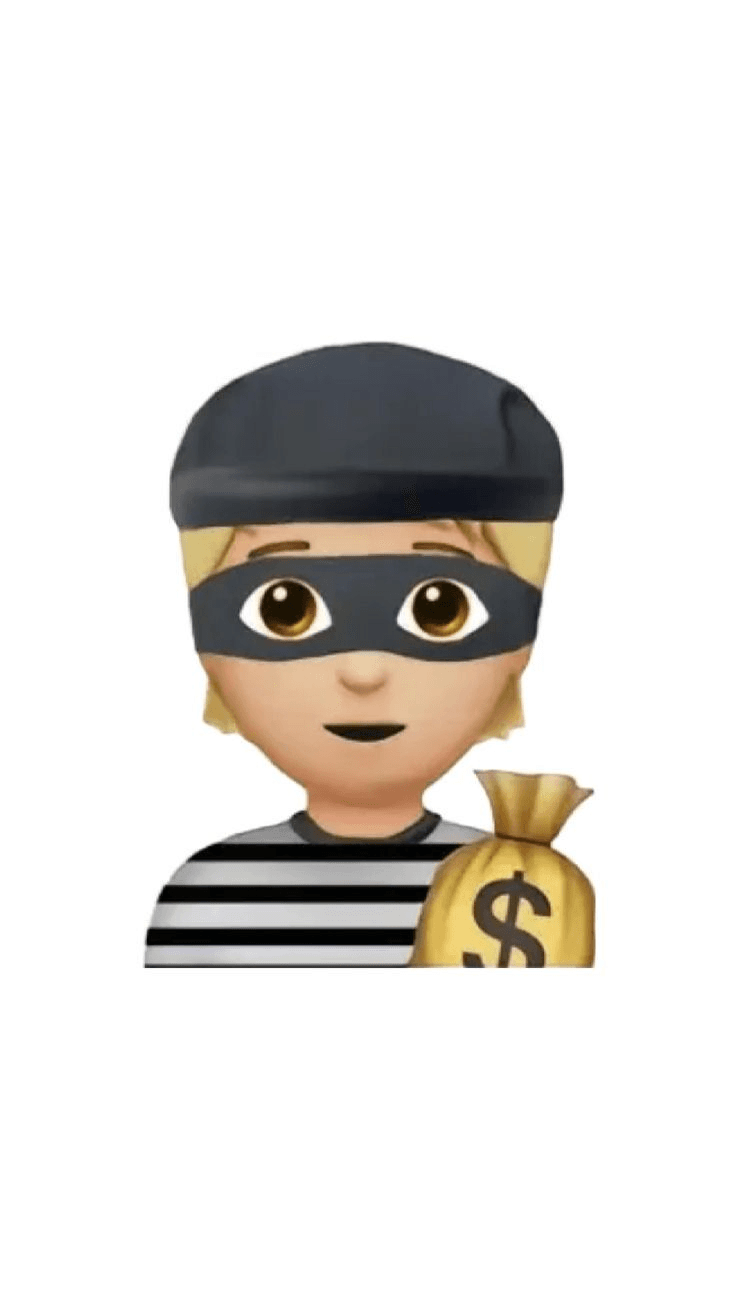
The thief emoji that never existed
Emojis have become our digital lingua franca, but their massive success has sparked a bit of a cognitive glitch: many of us are ready to swear we’ve seen icons that, in reality, were never actually coded.
This isn’t some Big Tech conspiracy; it’s the Visual Mandela Effect (VME)—a byproduct of how our brains reconstruct memories.
Why do we remember "fakes"?
The human brain doesn’t save images like static JPEGs. Instead, it stores them as abstract blueprints. When we recall an image, we’re actually rebuilding it on the fly based on cultural prototypes and "most likely" scenarios:
- The Robber: He never existed in the Unicode library. However, the "criminal" archetype—striped shirt, eye mask, and a sack with a dollar sign—is so embedded in pop culture that our minds "auto-fill" him onto our keyboards.
- The Hiker: This is a classic Feature Binding Error. The brain kitbashes details from three different sources: the walking posture (🚶), the climbing gear (🧗), and the mountain backdrop (⛰️) to create a single, non-existent memory.
Between Paranoia and Technical Reality
Why is it so easy to believe these emojis were "deleted"? There are two real-world precedents that fuel our suspicion:
- Semantic Rewriting: In 2016, Apple swapped the realistic revolver for a lime-green squirt gun (🔫). While it wasn't a total removal, it was a fundamental shift in meaning that broke our trust in the "immutability" of the emoji catalog.
- The "Family" Technical Wall: Family emojis (👨👩👧) are actually undergoing a major redesign. To represent every possible combination of gender and skin tone for a four-person unit, Unicode would need to generate over 7,000 variants. To dodge this technical nightmare, tech giants are moving toward "gender-neutral" gray silhouettes.
The Bottom Line
"Ghost emojis" are a sign that our daily language has become fluid. Often, what we "remember" isn't what's written in the code, but what our culture has trained us to expect.