
The Sterile Dream: Deciphering the Gen X Soft Club Aesthetic
Forget the bubblegum pop of the Y2K era. Between 1995 and 2005, the future wasn't neon—it was brushed aluminum, damp concrete, and a haunting, elegant apathy.
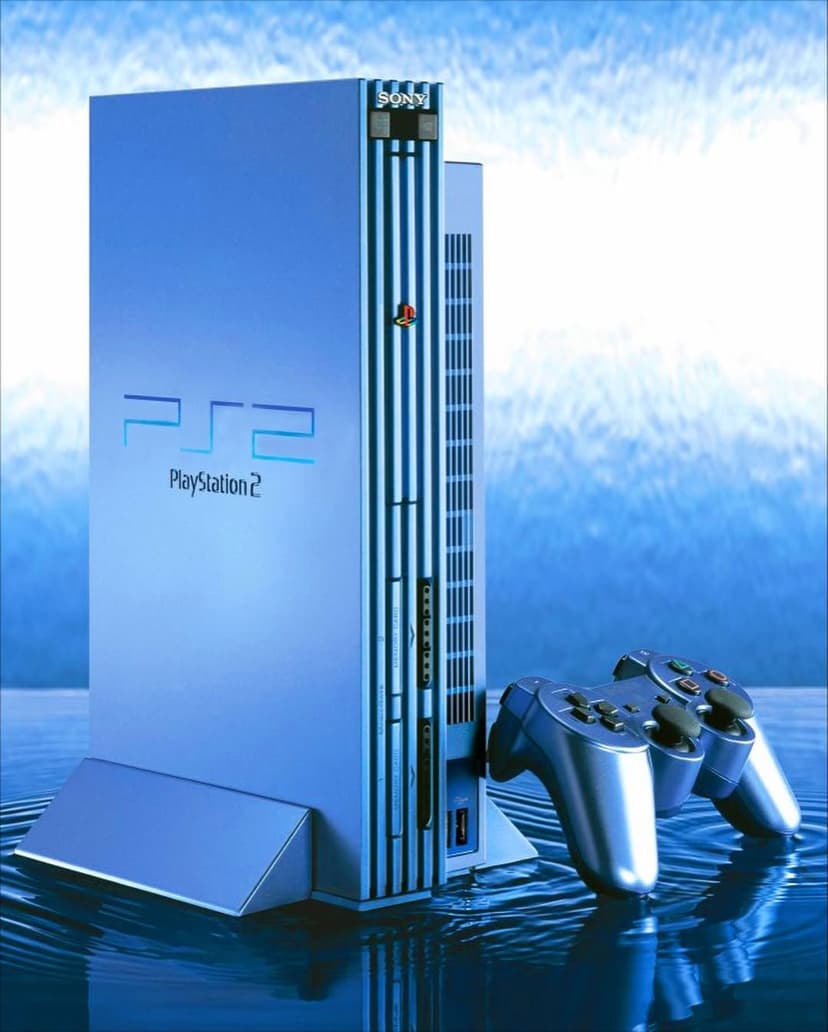
PlayStation 2 Ads
The Core of Gen X Soft Club (GXSC)
Forget the candy-coated pinks and mainstream pop glitter. Between 1995 and 2005, a parallel aesthetic was breathing: Gen X Soft Club (GXSC). This was a world built on matte metal, humid concrete, and a specific brand of chic apathy.
GXSC wasn't about glitz; it was about an extreme formal purity. It represented a silent, disciplined future where design stopped screaming and started whispering. It was the era of brushed surfaces and cold textures—a world that prioritized clinical rigor over decoration.
The Origins: A Collective Monday Morning Comedown
It all started with the friction between the analog and the digital. By the mid-90s, technology had stopped being a tangled mess of cables and became an ethereal promise—but it was a promise that felt uncanny, even frightening.
Gen X Soft Club was essentially the "downtempo" of Rave culture. After the neon explosions and chemical euphoria of the early 90s, the world hit a collective Monday morning comedown. That visual coldness was a desperate urge to finally turn down the volume.
Post-Humanism: Sony, Nintendo, and the Digital Portal
In the 90s, the titans of gaming stopped selling toys and started selling post-human experiences.
- Mental Wealth (1999): Chris Cunningham’s "Alien Girl" for PlayStation sent a chilling message: technology is mutating you. It was pure trauma-bait—disturbing imagery engineered to burn itself into your subconscious.
- David Lynch x PS2: Floating heads and Lynchian surrealism defined the "Third Place." It wasn't your living room; it was an aseptic digital portal.
- Nintendo’s Shift: Even Nintendo, usually the bastion of comfort, had to get its hands "dirty" with cold, grimy atmospheres just to avoid looking obsolete in an era of aesthetic cynicism.
The Japanese Connection: Urban Solitude
A massive pillar of this movement was Japanese Futurism. Films like Ghost in the Shell and the high-tech, brutalist architecture of Tokyo taught the West a new lesson: the future wasn't about chrome spaceships. It was about sterile offices, flat screens, and a deeply elegant sense of urban solitude.
The 2026 Resurgence: Why We’re Still Hooked
Why are we still obsessed with this today? Because in 2026, we are drowning in "warm," friendly, and hyper-curated algorithms. We have a desperate hunger for this visual silence.
We seek out Liminal Spaces and Hauntology because in those empty offices and bluish transit stations, we find a freedom that no longer exists. It’s nostalgia for a future that looked clinical, yet remained brutally honest in its melancholy.